


How Are Mice Getting into My House? 10 Entry Points Montana Homeowners Often Miss
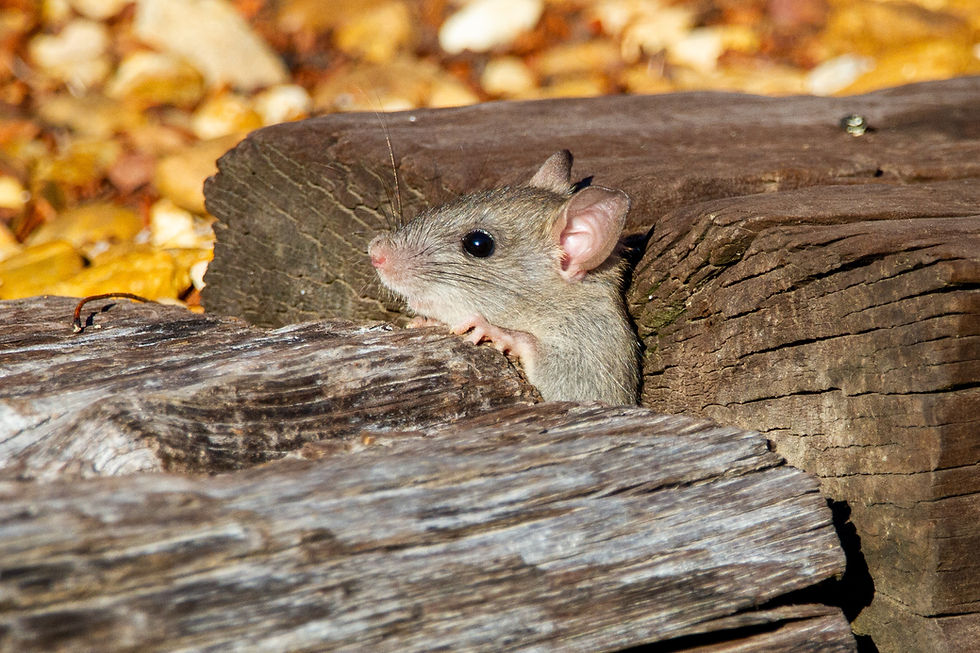
You set snap traps, deep-clean the kitchen counters, and seal pet food in airtight bins. Yet you are still finding droppings in the pantry or hearing rustling inside the drywall.
So, how are mice getting into your house?
The answer is usually an opening far smaller than you expect. According to the CDC and Montana State University Extension, mice can squeeze through an opening just ¼ inch (6 mm) wide—about the diameter of a standard pencil.
That means a mouse entry point rarely looks like an obvious, gaping hole. A cracked weatherstrip, an unsealed utility conduit, or a warped crawl space vent is all a rodent needs. As temperatures drop across Western Montana, mice actively seek warm nesting grounds.
Here are the 10 most common entry points Montana homeowners miss, along with how to spot them and keep mice out for good.
10 Common Mouse Entry Points Around Your Home
1. Worn Garage Door Bottom Seals
A closed garage door can look flush while still leaving a quarter-inch gap at the corners. Deteriorated rubber sweeps, settling concrete, and warped track bottoms create easy entry points. Once inside the garage, rodents easily chew through drywall or follow subfloor utility gaps into your living areas.

What to check: Turn off the garage lights during the day. If daylight shows beneath the door corners or bottom seal, rodents can get inside.
2. Utility Line & Pipe Penetrations
Plumbing, electrical conduits, HVAC line sets, and gas lines enter through exterior siding and foundation walls. Installers routinely drill holes slightly larger than the pipes, leaving gaps around the edges.
What to check: Inspect every point where a pipe, wire, or AC line enters the exterior wall. Pay close attention to air conditioning line bundles and outdoor spigots.
3. Foundation Cracks & Ground-Level Gaps
Masonry shifts over time due to Montana’s freeze-thaw cycles. Small stress fractures, deteriorating mortar, and gaps where concrete meets framing provide direct runways into basements and wall cavities.
What to check: Walk the exterior perimeter. Inspect ground-level expansion joints, step junctions, and areas where soil has settled away from the foundation wall.

4. Damaged Crawl Space & Foundation Vents
Foundation vents regulate subfloor moisture, but rusted wire mesh, bent louvers, or loose frames turn them into primary rodent highways.
What to check: Check that all vent screens are intact with heavy-duty galvanized wire mesh (¼-inch hardware cloth) securely fastened to the framing.
5. Gaps Beneath Exterior Doors
Side entries, mudroom access doors, and walk-out basement doors rarely get the same maintenance as front entries. Missing door sweeps or worn thresholds give mice open access.
What to check: Close the door and check for light leaks along the sill. If you can slide a pencil under the door, a mouse can walk right through.
6. Siding-to-Masonry Transitions
Mice are agile climbers that use the textured surfaces of brick, stone veneer, and stucco to climb walls. Where siding overlaps stone skirting or foundation concrete, flashing gaps frequently leave hidden routes into wall voids.
What to check: Look up under the bottom edge of your lap siding or corner boards where different building materials join.
7. Window Frames & Basement Window Wells
Basement egress windows and window wells collect leaves, snow, and debris, giving mice both ground-level cover and easy access. Dried exterior caulking and rotting wooden frames create small structural voids.
What to check: Clear window wells of debris and inspect the caulking around frames, sill plates, and trim.
8. Rooflines, Soffits & Fascia
Mice do not just stay on the ground. Deer mice (Peromyscus) are exceptional climbers that scale trees, brick siding, and downspouts to reach roofs. Gaps behind gutters, loose soffit panels, and unsealed ridge vents allow them into your attic.
What to check: Look up from ground level for loose soffit boards, chew marks on fascia corners, and branches overhanging your roofline.
9. Dryer & Exhaust Vents
Flapper vents on dryer, bathroom, and kitchen exhaust lines frequently get stuck open by lint accumulation or warped plastic louvers, giving rodents a warm path indoors.
What to check: Ensure dryer vent hoods close completely when not running, and install a rodent-proof exterior vent cover.
10. Cold Joints & Structural Expansion Gaps
Where an addition, porch, concrete stoop, or attached garage connects to your original foundation, natural settling creates narrow expansion gaps. Because these joints are hidden behind steps or siding, they are often overlooked until mice establish indoor trails.
What to check: Examine the seam where porches, driveways, and additions butt against the exterior walls.
How to Identify Active Mouse Entry Points
To confirm where mice are entering, look for:
Droppings: Small, dark pellets (approx. ⅛ to ¼ inch long) concentrated near the opening.
Rub Marks (Grease Stains): Dark, oily residue left by dirty rodent fur along baseboards, pipes, and hole edges.
Gnaw Marks: Freshly chewed wood, insulation, spray foam, or vinyl siding.
Nesting Clues: Shredded fiberglass insulation, cardboard, or plant debris pulled into voids.
Why Trapping Alone Won't Solve the Problem
Setting snap traps in your kitchen or attic only addresses the mice already indoors. If exterior access points remain open, new rodents will continue to replace them—especially during fall cold snaps.
Can You Seal Openings Yourself?
Homeowners can tackle small openings, but material choice is vital:
Do Not Use: Standard expanding foam, rubber, wood, or plastic. Mice chew straight through them.
Do Use: Stainless steel wire mesh, heavy copper mesh (Stuff-it), or coarse steel wool backed by exterior-grade elastomeric sealant or concrete patch. For larger vents, install 16-to-19 gauge ¼-inch galvanized hardware cloth.
For complex structural openings, roofline gaps, and established indoor populations, a professional inspection ensures comprehensive exclusion and indoor remediation.
Stop the Entry Point, Not Just the Mouse
Catching a mouse in a trap handles a symptom. Sealing how it entered solves the root problem.
If you are hearing scratching in your walls, finding droppings, or dealing with recurring rodent activity in Missoula or Western Montana, let our expert team inspect your home, identify hidden entryways, and rodent-proof your property.


Comments